Event Planning Guide: When to Rent vs Buy LED Screens
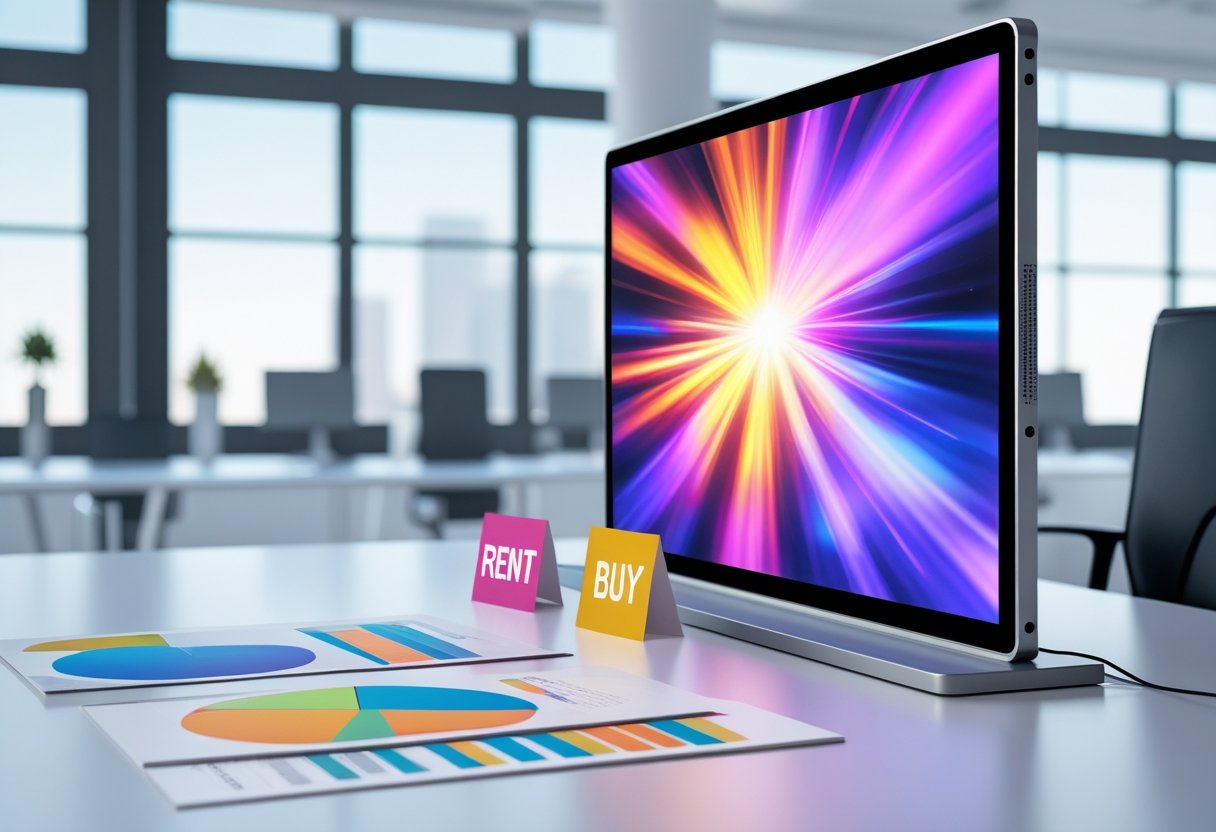
Picture this: You’re organizing a grand event—maybe a music concert, a product launch, or a wedding. You want that “wow” factor that keeps everyone talking. One of the most effective ways to achieve it is through stunning LED screens, whether it’s dazzling LED walls on stage or a massive outdoor LED screen for crowds.
But here’s the million-dollar question: Should you rent or buy LED screens for your event?
This guide will break down everything you need to know—costs, benefits, drawbacks, and smart strategies—so you can decide with confidence. Think of this as your personal event tech playbook, simplifying a tricky decision that every planner faces.
1. Understanding the Role of LED Screens in Events
LED screens are no longer “optional.” They’ve become the heart of modern event planning. Whether it’s LED walls for dynamic stage backdrops or outdoor LED screens for massive gatherings, they deliver:
Visibility: Ensuring every attendee gets a clear view.
Engagement: Keeping audiences hooked with visuals.
Professionalism: Elevating the event’s brand value.
2. Rent vs Buy LED Screen: What’s the Difference?
At first glance, the choice seems obvious: either rent a screen for the day or buy one for repeated use. But here’s the twist—this decision is much like buying vs renting a house. Renting offers flexibility; buying provides long-term stability.
When you rent, you pay for temporary access, including setup and support.
When you buy, you own the screen outright, but you’re responsible for its upkeep.
3. Why LED Walls Are Game-Changers for Events
Imagine a stage without a backdrop. Now, imagine the same stage with a massive LED wall, broadcasting high-definition visuals, sponsor logos, and live feeds. The difference is night and day.
LED walls provide:
A wow factor for concerts, weddings, and corporate events.
Adaptability, as they can be scaled in size.
Interactive opportunities, such as real-time voting displays.
4. Outdoor LED Screen: When and Why You Need One
Outdoor events bring unique challenges: sunlight, weather, and distance. A standard projector just won’t cut it. That’s where the outdoor LED screen shines.
You’ll need it for:
Music festivals where thousands gather.
Sporting events to showcase live action.
Community gatherings like parades and rallies.
5. The Case for Renting LED Screens
Renting makes sense when:
You host occasional events (e.g., once or twice a year).
You want professional setup and technical support included.
You need different screen sizes for different events.
Think of it as test-driving a luxury car. You enjoy the experience without the responsibility of maintenance.
6. The Case for Buying LED Screens
Buying makes sense when:
You organize frequent events (monthly or weekly).
You want full control over customization.
You see it as a long-term investment that saves money over time.
For event companies, owning LED walls can also become an additional revenue stream by renting them out to others.
7. Cost Analysis: Renting vs Buying
Here’s the breakdown:
Renting: Lower upfront cost but higher cumulative cost if used often.
Buying: Higher upfront cost but more cost-effective in the long run.
For example, renting an outdoor LED screen might cost $5,000 per event. Buying one could cost $50,000, but after 10 uses, you’ve already broken even.
8. Event Frequency: The Key Decision Factor
Ask yourself: How often will I use LED screens?
If it’s rarely, renting is the smarter choice.
If it’s regularly, buying saves money.
It’s just like deciding whether to subscribe to a gym or pay per session.
9. Technical Support: Rental vs Ownership
When you rent, most providers include:
Setup
Operation
Troubleshooting
When you buy, you’ll either need an in-house tech team or hire one externally. That’s an extra layer of cost and responsibility.
10. Storage and Maintenance Considerations
LED screens aren’t just plug-and-play toys. They need:
Climate-controlled storage
Regular maintenance
Insurance against damage
Renting saves you from these headaches. Owning requires planning for them.
11. Flexibility and Customization Options
Every event is different, but Elegant Lighting allows you to adapt—choosing an LED wall for a wedding, then an outdoor LED screen for a sports event. Buying limits flexibility since you’re stuck with what you own.
12. Hidden Costs to Watch Out For
Both renting and buying have hidden costs:
Renting: Delivery fees, extended usage hours, or extra technical staff.
Buying: Repairs, upgrades, or software licensing.
Always factor these into your budget before deciding.
13. Real-Life Event Scenarios: Rent or Buy?
Corporate annual meet: Rent.
Concert tours: Buy.
One-off wedding: Rent.
Event management company: Buy.
The answer changes based on your goals and frequency.
14. Tips for Making the Right Choice
Evaluate event frequency (monthly vs yearly).
Compare total costs over 3–5 years.
Assess storage and staff availability.
Look at technology trends (LED tech upgrades fast).
Negotiate rental packages for recurring events.
15. Final Thoughts: Striking the Balance
The truth is, there’s no one-size-fits-all answer to Rent vs Buy LED Screen. For some, renting ensures flexibility and stress-free planning. For others, buying becomes a powerful long-term investment.
It all depends on your event type, frequency, and budget. The smartest planners weigh both sides carefully and often use a hybrid approach—renting for certain occasions while investing in their own screens for regular use.
FAQs
1. Is it cheaper to rent or buy LED screens for events?
It depends on frequency. Renting is cheaper for occasional events, while buying saves money if you use LED walls or outdoor LED screens often.
2. Can I rent different sizes of LED walls for multiple events?
Yes, rental providers offer flexible sizes and setups, making them ideal for diverse event needs.
3. What’s the lifespan of an LED screen if I buy one?
On average, an LED screen lasts 7–10 years with proper care and maintenance.
4. Do rental LED screens include technical support?
Yes, most rental packages include setup, operation, and troubleshooting by trained technicians.
5. Should small businesses invest in buying outdoor LED screens?
Not unless they host frequent events. Renting is usually better for small businesses with limited budgets.

